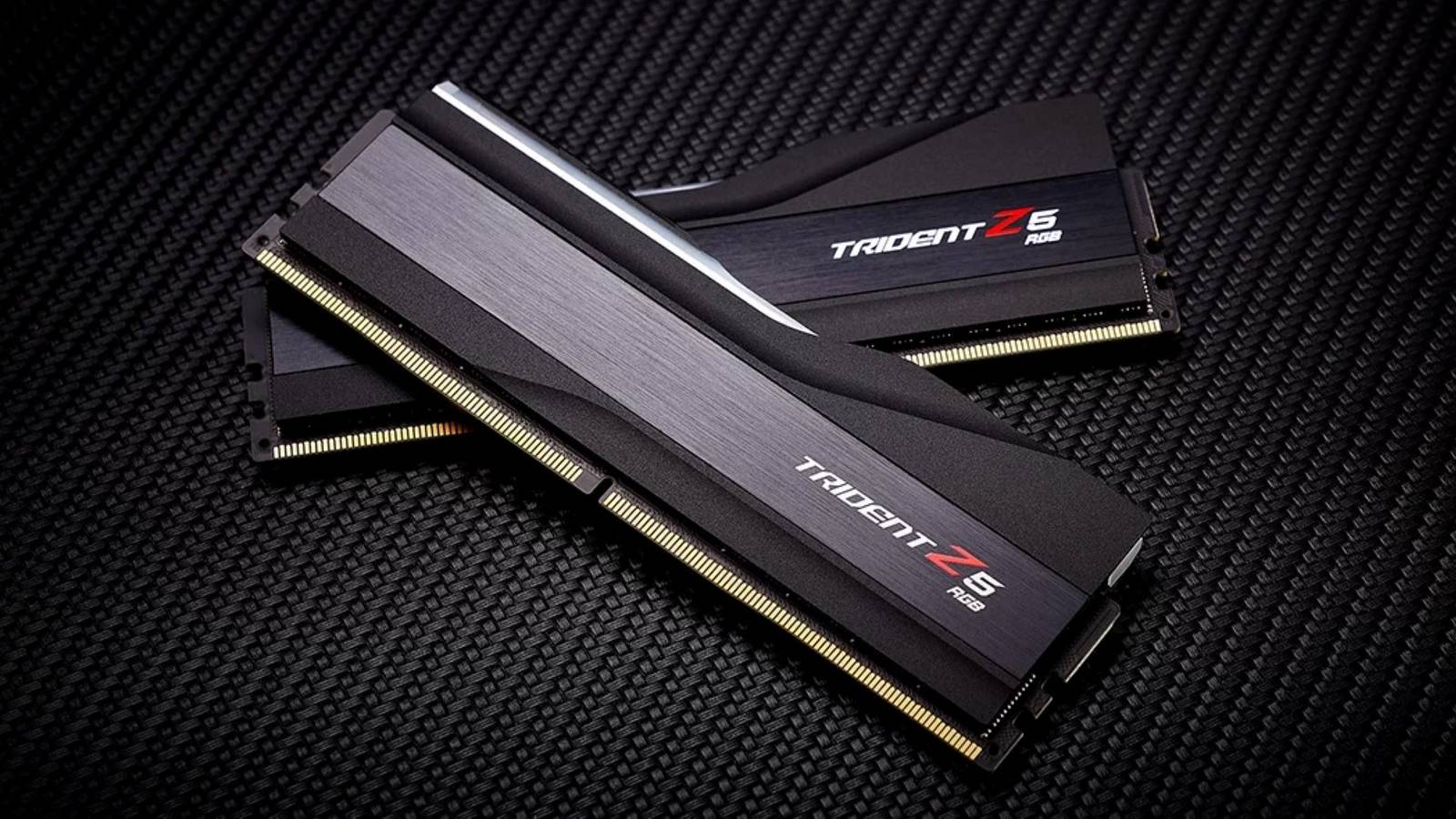
Currently in progress PC Components crisis: Tech giant Samsung is rapidly doubling the prices of DRAM it manufactures for various brands, bringing contract prices for components like DDR5 RAM close to $20. So PC parts shoppers will have to pay a premium for essential components. Samsung said the sudden price surge occurred because it was out of DRAM inventory.
As of this writing, Samsung is South Korea's largest conglomerate and one of the leading manufacturers of consumer RAM, along with companies like SK Hynix and Micron. Samsung's major DRAM customers include G.Skill and Corsair. Along with its PC components and smartphone businesses, Samsung is also known for manufacturing storage space for PCs, smartphones, and game consoles. This includes SD cards of various sizes, including the recently released microSD Express format. Currently, microSD Express cards are utilized by the Nintendo Switch 2 as the console's primary method of expandable storage, while products like Samsung's P9 Express cards are priced competitively for consumers looking to add more space.

If you're considering buying a Nintendo Switch 2, you might not want to wait any longer before pulling the trigger.
Skyrocketing RAM costs are casting a worrying shadow over the Nintendo Switch 2 as prices rise across the industry and rumors of console price hikes grow.
PC builders will bear the cost of Samsung's price increases
As the prices of consumer DDR5 RAM kits continue to soar, a new report has emerged that Samsung has increased its contract prices for the DRAM it manufactures. According to a Taiwanese media report shared by Twitter user Jukan05, Samsung has increased its DRAM contract price by more than 100%, from about $7 per unit to the current $19.50. The contract price is a number representing the bulk unit price rate presented by manufacturers such as Samsung and SK Hynix to large parts manufacturers such as Corsair. While Samsung sells the actual DRAM chips, the latter company mounts them on its own printed circuit boards (PCBs) and heat sinks and sells them to consumers and other companies. However, ongoing shortages have led consumer RAM manufacturers to significantly increase prices, with RAM kits costing more than four times what they were available before October 2025.
Samsung announced in a press release that it decided to double the contract price because there were no DRAM kits left in stock. Samsung's contract price for DDR4 kits has also been increased to $18 per 16GB module, so these changes will inevitably affect DDR5 and DDR4 RAM kits that use Samsung components. The price hike will also affect Samsung's entire range of smartphones and tablets. One of Samsung's current premium smartphones is the Samsung Galaxy Z Fold 7, which costs $1,999 at the time of this writing.
Samsung's decision comes at the worst possible time for PC gamers
Samsung's sudden announcement comes just days after one of Samsung's main competitors in the DRAM manufacturing space announced major changes to its manufacturing process. On December 3, Micron announced that it would exit the consumer RAM and SSD component business and turn its attention to manufacturing components for enterprise customers and enterprises. Ergo, a member of Crucial's lineup of consumer products, will cease manufacturing on February 28, 2026, ending a 29-year history that has established it as one of the leading PC component brands in the world. Micron stated that this is a measure to ensure long-term success as it continues to ship DRAM dedicated to AI-based servers that are currently being built. Despite this announcement, Micron assured consumers that it will continue to provide warranty and support for its Crucial RAM and SSD lineup beyond the February 28 deadline.
Since Samsung is also responsible for selling NVMe SSDs like the 990 Pro, storage prices will also rise as the ongoing RAM shortage and crisis continues. As companies like Google and OpenAI continue to open data centers that require DRAM from Samsung and SK Hynix, it's not yet clear when consumers will feel relief.
Source: Tom's Guide
