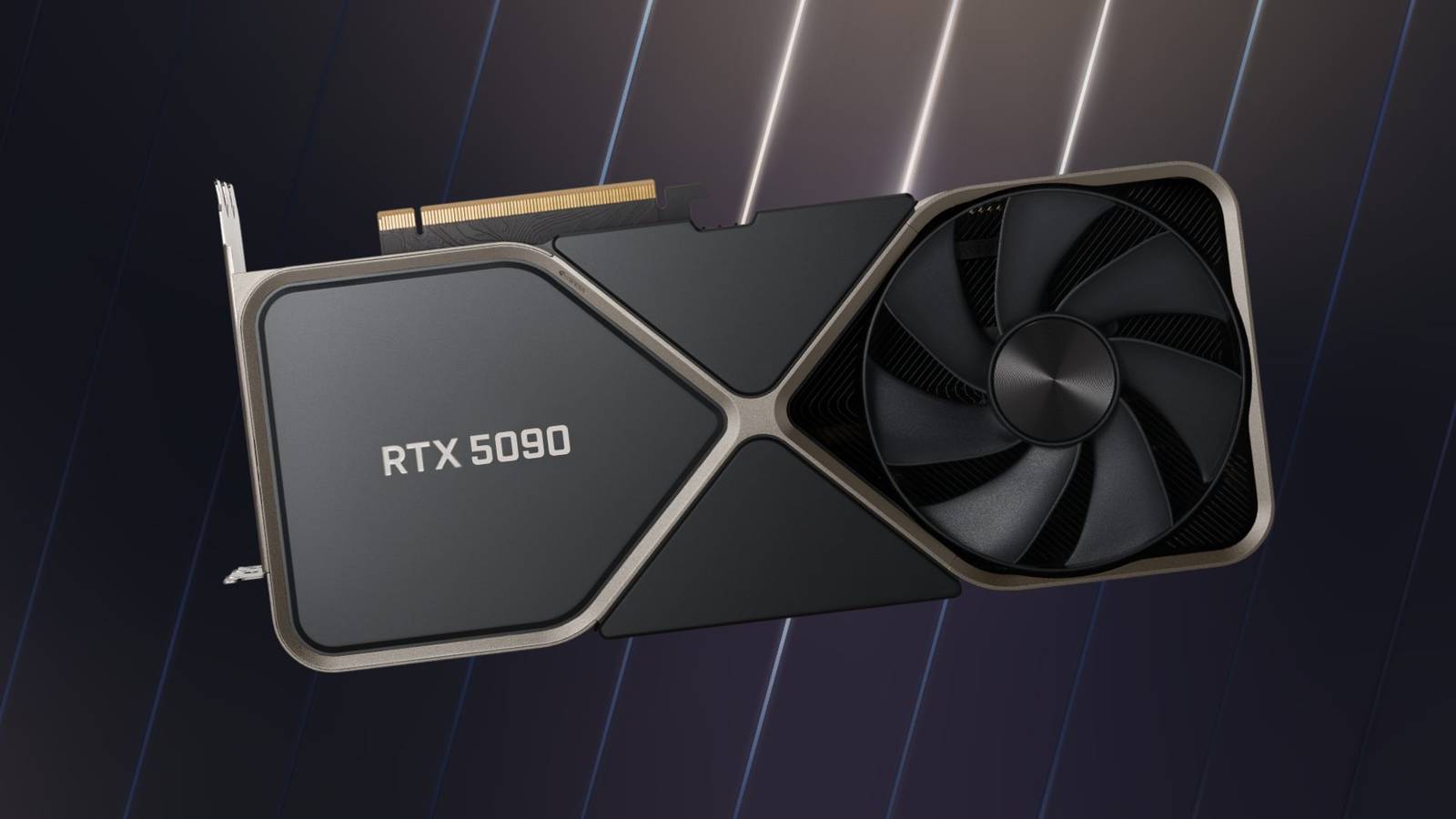
People wishing to upgrade PC With Nvidia 5090 GPU prices soaring, you may find yourself in a difficult situation. RTX 50 series graphics cards have never been cheap, but with the global RAM shortage, even their sky-high retail prices seem cheap compared to where they are currently headed. These are tough times for PC gaming, and it doesn't look like things will calm down anytime soon.
Nvidia unveiled its 50-series lineup early last year, and as you'd expect from the fastest consumer GPUs on the market, the most powerful GPUs came with eye-watering price tags. The MSRP of the RTX 5090 is $1,999, which means that this one component costs about the same as two PlayStation 5 consoles. That's a lot of money, but it's affordable for those who can afford a whopping 32GB of DDR7 VRAM. Unfortunately, that memory now faces global supply constraints and is quickly becoming more expensive.

The RAM shortage is set to get worse as Micron abandons consumers in favor of AI.
Micron is shutting down its Crucial brand of popular consumer PC products as the company turns its attention to AI amid continued surges in RAM prices.
Retailers are selling the RTX 5090 GPU for over $3,000.
As discovered by VideoCardz, the cheapest 5090 GPU from any major Nvidia retailer currently sells for $2,500, about 25% above MSRP. However, many of these options are either sold out or can only be picked up in physical stores. Most listings, especially those available for shipping, now start at around $3,000, with some going closer to $4,000. The price surge follows rumors that Nvidia may be reducing production of its 50-series GPUs to preserve dwindling DDR7 supplies. Nvidia hasn't confirmed whether it's actually implementing this strategy, but concerns about how a lack of RAM could affect availability have already led retailers to raise prices.

Nvidia isn't the only company seeing huge price hikes amid the ongoing RAM crisis. This trend began in late 2025, when prices for consumer-grade RAM kits tripled after SK Hynix and Samsung agreed to shift a significant portion of their memory production to AI data centers. The situation worsened when Micron completely moved away from consumer RAM, and the laws of supply and demand inevitably tightened the situation for manufacturers. Now, companies like Nvidia, which typically do not operate their own semiconductor factories and buy components like RAM from external suppliers, face supply bottlenecks and higher production costs, ultimately leading to higher prices for end users.
It didn't take long for prices to skyrocket, but it will likely be some time before the market cools down. As more people rush to buy GPUs and other PC components, available supply will become more limited. On the production side, it will also take a long time to keep up with current demand, as manufacturers will need to build new specialized facilities to make more RAM. These barriers are why Micron estimates the RAM crisis will persist beyond 2026, and the situation could escalate further as AI-based demand grows further. Of course, it's impossible to predict exactly how things will unfold in the future, but things aren't looking good for PC gamers right now.

Depending on how things play out from here, PC gamers may not be the only ones feeling the effects of a lack of RAM. There are rumors that Sony and Xbox may delay the launch of their next-gen consoles to account for higher production costs and release them at a lower price instead of asking for more. As with all of Nvidia's responses, these rumors are currently unconfirmed, but with the market looking as volatile as it is, nothing is necessarily impossible. PC games aren't that cheap right now, and they probably won't be for a while.
Source: VideoCardz
