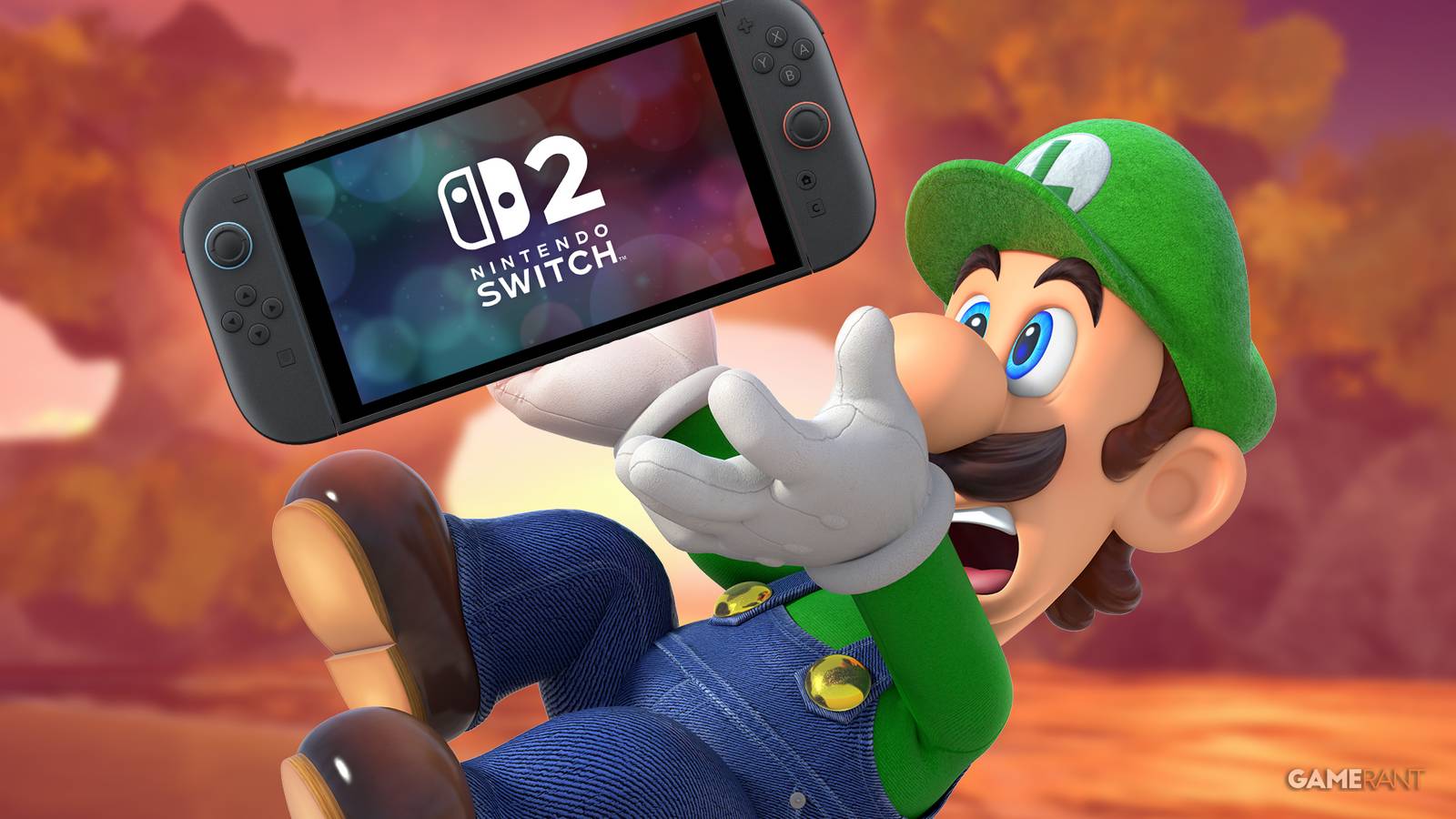
Anyone who wants to catch it switch 2 With RAM costs rising, you might want to jump on board sooner. Nintendo's latest console has already drawn criticism over its price when it was first revealed, with some questioning whether the system deserves its $450 asking price and being even more critical of the game's price. Although this controversy has died down somewhat over time, it is possible that the Switch 2 will cost more.
Like its predecessor, the Switch 2 had a tricky launch. Some analysts have predicted that the Switch 2 shortage could last until 2026 in some regions. However, consoles have become more widespread in other regions. Due to these inventory issues and the cost issues that still remain, some gamers may have held off on purchasing them until the initial hype died down and sales were more likely. This may generally be a sound strategy, but if the hardware market continues to move in the same direction it is heading in, waiting too long to make a purchase could be costly.

Nintendo addresses concerns that Switch 2 is too expensive for younger gamers
Nintendo company president Shuntaro Furukawa responded to a question about whether the Switch 2's price is too expensive for younger fans to afford.
RAM supply crisis could lead to Nintendo raising the price of Switch 2
Concerns about a Switch 2 price increase stem from the worrying trend of skyrocketing RAM prices. Last October, Samsung and SK Hynix, two of the world's largest RAM manufacturers, signed a deal with OpenAI to secure a significant portion of the global memory supply for AI data centers. Limited supply has caused RAM prices to skyrocket, with some DDR5 RAM kits tripling in price and older DDR4 memory seeing a smaller but still notable rise. Samsung and SK Hynix are not the only vendors focusing on AI. Micron has completely withdrawn from the consumer market, and as manufacturers continue to shift resources to AI, supply and demand could force console companies to make difficult decisions that could either raise prices or take a hit to profits.
PC gamers have already felt the effects of insufficient RAM. That's because rising prices have made the expensive undertaking of building a gaming rig noticeably less budget-friendly. Console manufacturers benefit from economies of scale and typically subsidize the price of their systems, but the same cost issues affect them, especially if they grow to a certain level. The Switch 2 comes with 12GB of LPDDR5 RAM, so as DDR5 becomes more expensive, the cost of manufacturing the console also increases. Nintendo may have a safety stock of pre-purchased memory, but if memory runs out, the company may be forced to pass costs on to end users to cover its own supply costs.

Rising component costs don't necessarily mean Nintendo will adjust the Switch 2's prices accordingly. However, history shows that companies are not immune to macroeconomic changes. In August 2025, Nintendo increased the prices of the original Switch generation, adding $40 to the vanilla Switch and $50 to the OLED model. The adjustments were made in response to “market conditions,” referring to the impact of U.S. tariffs on electronics on the broader hardware industry. The Switch 2 initially avoided the same fate as it didn't receive a tariff-related price increase as some had feared shortly after its announcement, but it may not be so lucky this time around.

Nintendo isn't alone in this precarious situation. There are rumors that Xbox may raise the price of its console again following the recent RAM price increase. As of now, neither company has said they will charge more for their systems, but we can't help but wonder what this could mean for the console market as RAM costs continue to rise.
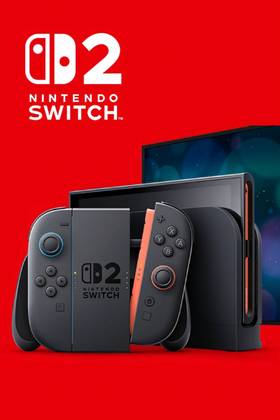
- brand
-
nintendo
- original release date
-
June 5, 2025
- Original MSRP (USD)
-
$449.99
- operating system
-
ownership
- solve
-
1080p (portable) / 4K (docked)
- HDR support
-
yes
