I've enjoyed Final Fantasy since I was young. Born in 1995, I grew up in the golden age of PlayStation, which produced the glorious Final Fantasy 7-12, not counting the ill-fated online experiment 11. Even for someone currently in their 30s, the early entries in the NES and SNES series seemed somewhat retro at the time, and in 2026 they're downright ancient history.
But despite this long tenure, Final Fantasy remains Square Enix's golden goose and one of the biggest household names in all of video games. But one has to ask how long this reputation will last in an environment where it takes five or more years to make a new work, and everything else is a remake or remaster designed to tap into the nostalgia of an increasingly aging audience. Wait… is Final Fantasy for old people?
Final Fantasy Isn't Getting Any Younger

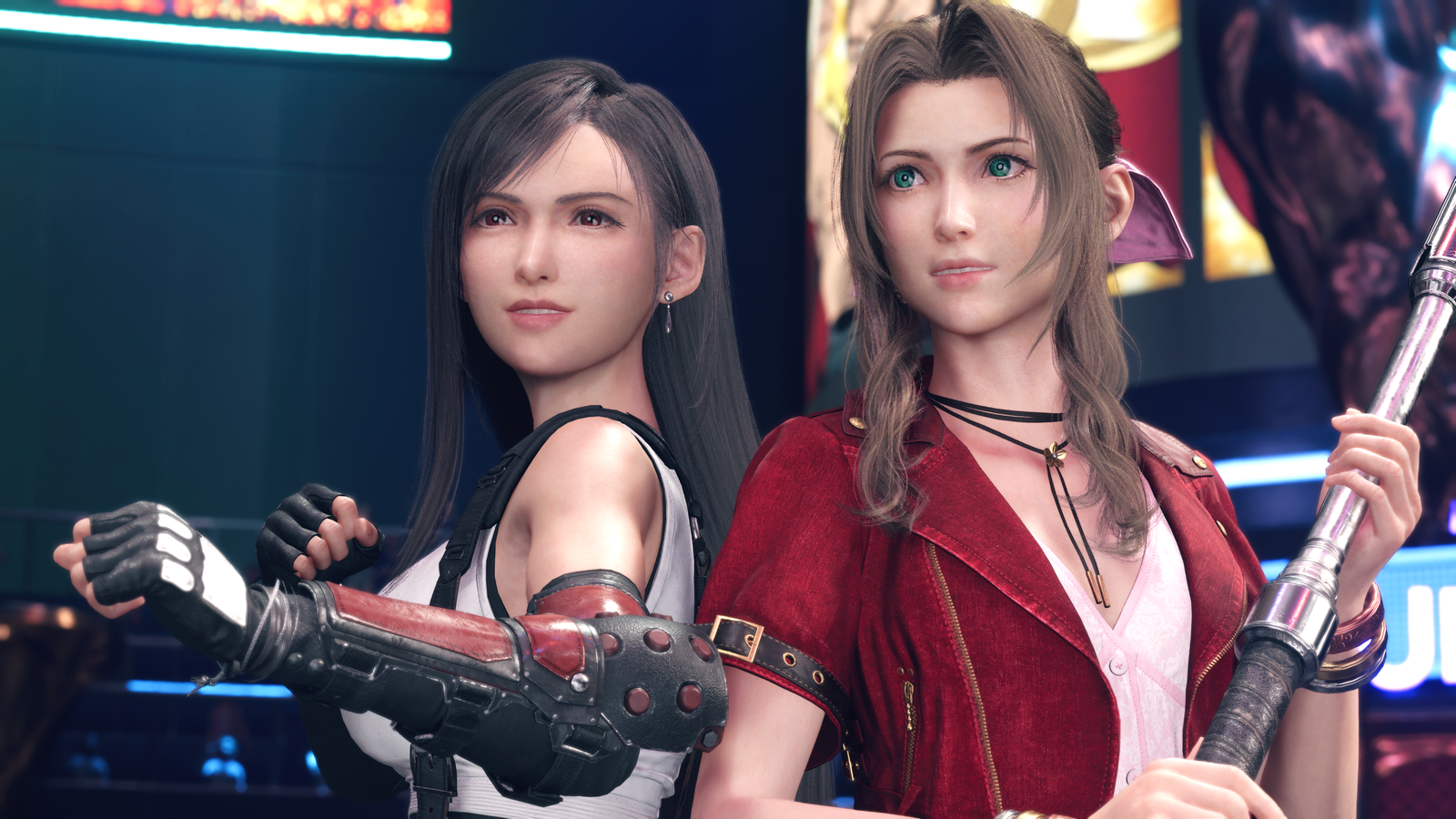
This conundrum first came to my mind when it was revealed that 77% of Final Fantasy 7 Rebirth players were over 30 years old. This means that very few young people are interested in picking up or playing this game. Now, if we take a step back and take a closer look at what Rebirth is, these numbers make a lot of sense. This is the second chapter in an ambitious remake trilogy that requires a great deal of prior knowledge and understanding of the increasingly older source material to be appreciated.
In 2020, millions more people picked up the Final Fantasy 7 Remake. But I was pretty sure they were confident that this was going to be a full-blown remake of the entire game and not just an opening salvo, as the title suggests. This kind of strategy will leave a lot of people behind, and the majority of people waiting for the sequel probably know exactly what they're getting.

By design, Square Enix has always created experiences that attract older audiences of existing fans rather than attracting new ones. They've heard many times that this game isn't for them due to the core idea of the project, no matter how much marketing tries to convince them over and over again. As someone who grew up with Final Fantasy 7 and saw it shape the medium in every aspect of my being, I've often been delighted by the remake trilogy, but I struggle to see how this appeal will translate to new people without a lot of patience.
The broader landscape consists of classic remasters with a deliberately retro feel, MMORPGs that take a lot of time to catch up on, and a smaller set of mobile titles that are hard to recommend even on the best of days. When I think about Final Fantasy's current audience and what they're looking for from the series, it's not a hard conclusion to conclude that this is for old fans, old fans, and everyone else. Final Fantasy 16 was the latest standalone entry, and I don't think it had the impact Square Enix had hoped for in terms of sales or critical response.
Pokémon went in a different direction, repeatedly appealing to younger newcomers. This earned the series a lot of criticism from us old-timers, but it also made a lot of cash. A lot of the time still comes from our elders.
And so do all your other favorite games

You might think I'm singling out Final Fantasy fans by calling them old idiots, but this same logic applies to many other beloved video game franchises as well. The long development times for most triple-A games today mean that the big names I grew up with, like Dragon Quest, Uncharted, Halo, Ratchet & Clank, Super Mario, and many others, are tragically few and far between. Video games are losing their cultural relevance outside of giant live services like Fortnite. Because developers and publishers have pushed themselves into unsustainable territory where visual photorealism and anything that requires bigger and better take precedence.
I know Grand Theft Auto 6 will be the biggest game ever made when it launches in November, but in the PS2 era we got three new games on the platform, each evolving the open world formula, and over the last three console generations we've had to live with just one (and too many remasters that just keep selling it to us).

When I was growing up, I didn't think the medium was all about money, and Final Fantasy was more interested in advancing the genre and telling interesting stories than being its own brand. Now nostalgia and capitalism have put the franchise directly into a position I'll have a hard time getting out of.
New fans of an existing series can't be created if the medium doesn't satisfy them, and we're seeing a generation's love for classic names and characters slowly fade away when it's needed most. During the PlayStation era of Final Fantasy, I was often exposed to fascinating new worlds and casts of characters that would undoubtedly make history in the decades that followed.
It was a formative experience that turned us into lifelong fans. It's not impossible for a young child to stumble across Final Fantasy 7 Remake and become incredibly hooked, but the odds of that happening, or a medium that naturally pushes them in the right direction, are much slimmer today than ever before. And it's not just for themselves that they admire this reinterpretation, it's also for the people who played the original.

We are losing our sacred texts and we don't know what to do. Final Fantasy has a cultural mark that will remain with me for decades to come, or even before I step foot in the grave. But reaching the unstoppable cultural status it once had no longer feels possible.
And it's not alone. More and more properties that once had a chance to find themselves on older consoles are being set aside due to the fact that they don't make enough money. Yes, Final Fantasy might prefer Uncs these days, but honestly, I wouldn't have it any other way.

final fantasy 7
- released
-
January 31, 1997
- ESRB
-
T for Teens: Blood, fantasy violence, language, mildly suggestive themes
